The Ultimate Guide to Secure Messaging: Why Privacy Matters More Than Ever

Sarah Mitchell
23 March 2026
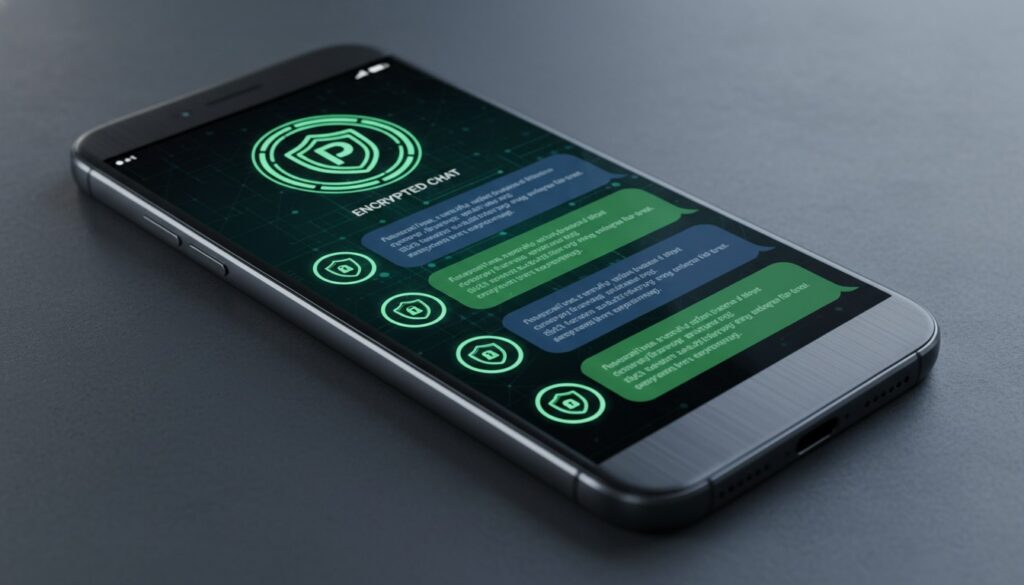
The Ultimate Guide to Secure Messaging: Why Privacy Matters More Than Ever
Introduction
In today’s hyper-connected world, our digital conversations have become as intimate as face-to-face discussions. Yet, many of us continue to communicate through platforms that treat our private messages like open books. With data breaches affecting billions of users annually and governments expanding surveillance programs, the question isn’t whether you need secure messaging—it’s how quickly you can implement it.
Every day, we share sensitive information through digital channels: financial details, personal relationships, business strategies, and political opinions. Without proper encryption, these conversations are vulnerable to hackers, corporations, and government agencies. The time has come to take control of your digital privacy.
Understanding the Current Privacy Landscape
The Scale of Digital Surveillance
The modern surveillance apparatus is more extensive than most people realize. Major tech companies collect over 5,000 data points on average users, including message content, timing, frequency, and recipient information. This data isn’t just stored—it’s analyzed, categorized, and often sold to third parties.
Government surveillance programs have expanded dramatically since 2001. The NSA’s PRISM program, revealed by Edward Snowden, demonstrated how intelligence agencies can access communications from major platforms including:
- Facebook Messenger
- WhatsApp (metadata)
- Google Hangouts
- Skype
- Apple iMessage (in certain circumstances)
- Uses established protocols like Signal Protocol or Double Ratchet
- Generates unique keys for each conversation
- Provides perfect forward secrecy
- Cannot be disabled by the service provider
- Message content is never stored unencrypted on servers
- Service providers cannot comply with data requests for message content
- Even employees with administrative access cannot read user communications
- Open-source code available for public audit
- Signal Protocol used by other major apps
- Minimal metadata collection
- Non-profit organization structure
- Advanced features like sealed sender
- End-to-end encryption for messages, calls, and file sharing
- No phone number required
- Cross-platform synchronization
- Advanced admin controls for organizations
- European privacy law compliance
- Built on open Matrix protocol
- Federated network—no single point of failure
- Self-hosting options available
- Bridges to other messaging platforms
- Strong encryption with verification systems
- Anonymous registration without phone number or email
- Swiss privacy law protection
- Local message storage only
- Comprehensive audit reports
- One-time purchase model (no subscription)
- Enable Disappearing Messages: Set automatic deletion for sensitive conversations
- Verify Contacts: Use safety numbers or key verification for important contacts
- Disable Cloud Backups: Turn off automatic backup to cloud services
- Use Strong PINs: Enable app locks with complex passwords
- Keep Apps Updated: Install security updates immediately
- Review Permissions: Limit app access to contacts, location, and other data
- Use full-disk encryption
- Enable automatic screen locks
- Install security updates promptly
- Consider using separate devices for sensitive communications
- Use VPNs on public networks
- Avoid unsecured Wi-Fi for sensitive communications
- Consider Tor browser for additional anonymity
- Vary communication patterns
- Use different platforms for different purposes
- Be mindful of metadata implications
- Personal relationships and family matters
- Medical information and mental health
- Financial planning and business strategies
- Political opinions and activism
- Creative work and intellectual property
- SMS/Text Messages: Completely unencrypted and easily intercepted
- Facebook Messenger: Default mode lacks end-to-end encryption
- Telegram: Secret chats use E2EE, but regular chats don’t
- WhatsApp: Uses Signal Protocol but shares metadata with Facebook
- Choose a secure messaging app based on your needs
- Install it on all your devices
- Invite your closest contacts to join
- Gradually expand your secure communication network
- Stay informed about privacy developments and security updates
Common Threats to Message Privacy
Corporate Data Mining: Companies like Facebook and Google build detailed profiles by analyzing message content, even when they claim end-to-end encryption.
Man-in-the-Middle Attacks: Cybercriminals intercept messages between sender and recipient, often on unsecured networks.
Device Compromise: Malware can capture messages before encryption or after decryption on your device.
Legal Compulsion: Courts can force companies to provide user data, including message logs and metadata.
“Privacy is not about hiding wrongdoing. Privacy is about protecting what makes you human—your thoughts, feelings, and personal relationships.” – Electronic Frontier Foundation
Essential Features of Secure Messaging Apps
End-to-End Encryption (E2EE)
True security begins with end-to-end encryption. This means only you and your intended recipient can read messages—not the app company, not hackers, and not government agencies. The message is encrypted on your device and only decrypted on the recipient’s device.
Key characteristics of strong E2EE:
Zero-Knowledge Architecture
Secure messaging services should operate on a zero-knowledge principle—they cannot access your messages even if they wanted to. This architectural approach ensures that:
Additional Security Features
Disappearing Messages: Automatically delete conversations after a set time period, reducing long-term exposure risk.
Screen Security: Prevent screenshots and screen recording within the app to stop unauthorized capture.
Verification Systems: Allow users to verify contact identities through safety numbers or key fingerprints.
Metadata Protection: Minimize collection of data about when, where, and how often you communicate.
Top Secure Messaging Applications
Signal: The Gold Standard
Signal has earned recognition from security experts worldwide, including endorsements from Edward Snowden and the Electronic Frontier Foundation. Key advantages include:
Wire: Business-Focused Security
Wire offers enterprise-grade security with user-friendly features:
Element (Matrix Protocol)
Element represents the future of decentralized communication:
Threema: Privacy by Design
Threema takes privacy seriously with unique features:
Implementation Best Practices
Choosing the Right App for Your Needs
For Personal Use: Signal offers the best balance of security and usability for most individuals.
For Business: Wire or Element provide enterprise features while maintaining strong encryption.
For Maximum Anonymity: Threema or Element allow registration without personal identifiers.
For Technical Users: Element offers the most control and customization options.
Security Configuration Tips
Transitioning Your Communications
Start Gradually: Begin with your most sensitive conversations and expand usage over time.
Educate Your Contacts: Share information about why secure messaging matters and help them install appropriate apps.
Maintain Multiple Channels: Keep secure messaging for sensitive topics while gradually shifting general communications.
Regular Security Reviews: Periodically audit your messaging apps and security settings.
Advanced Privacy Strategies
Operational Security (OpSec) Fundamentals
Secure messaging is just one component of comprehensive digital privacy. Consider these additional measures:
Device Security:
Network Security:
Behavioral Security:
Threat Modeling
Different users face different risks. Consider your specific threat model:
Journalists and Activists: May need maximum anonymity and protection from state-level adversaries
Business Professionals: Require protection from corporate espionage and compliance with regulations
General Users: Need protection from criminals, data brokers, and excessive corporate surveillance
High-Risk Individuals: May require additional measures like burner devices and advanced operational security
“The most secure communication is the one that never happens. The second most secure is the one that’s properly encrypted.” – Security Researcher
Future of Secure Messaging
Emerging Technologies
Quantum-Resistant Encryption: As quantum computing advances, messaging apps are implementing post-quantum cryptography to maintain long-term security.
Decentralized Protocols: Blockchain and federated systems are reducing reliance on centralized service providers.
AI-Powered Privacy: Machine learning is being used to detect and prevent privacy violations while maintaining encryption.
Regulatory Landscape
Governments worldwide are grappling with encryption policy:
European Union: GDPR provides strong privacy protections while some proposals threaten encryption
United States: Ongoing debates about encryption backdoors and content moderation
Authoritarian Regimes: Increasing restrictions on encrypted communications in some countries
Corporate Responsibility: Growing pressure on tech companies to protect user privacy
Common Misconceptions and Pitfalls
“I Have Nothing to Hide”
This argument fundamentally misunderstands privacy. Everyone has legitimate reasons for private communication:
“Encryption is Too Complicated”
Modern secure messaging apps are designed for everyday users. Most offer interfaces as simple as traditional messaging while providing military-grade encryption automatically.
“My Current App is Secure Enough”
Many popular messaging platforms offer inadequate protection:
Conclusion
Secure messaging has evolved from a niche concern for security professionals to an essential tool for anyone who values their privacy. The threats to our digital communications are real and growing, but the solutions are more accessible than ever before.
By choosing the right secure messaging app, configuring it properly, and following basic operational security practices, you can dramatically improve your communication privacy. The key is to start now—waiting for the “perfect” solution means continuing to expose your private conversations to unnecessary risks.
Remember: Perfect security doesn’t exist, but significant improvements in your privacy are achievable with today’s tools. The goal isn’t to become invisible—it’s to make surveillance and data collection expensive enough that you’re no longer an easy target.
Take Action Today
Your privacy journey starts with a single step. Download Signal or another secure messaging app today and begin transitioning your most sensitive conversations. Share this guide with friends and family—privacy is more powerful when it’s a community effort.
Start your secure messaging journey now:
Your future self will thank you for taking control of your digital privacy today. In a world where surveillance is the default, choosing secure messaging is an act of digital self-defense.